Optimize Your Triathlon Training Regimen Effectively

Triathlons are not just races; they are tests of endurance, strategy, and mental fortitude. Whether you are a seasoned athlete or a newcomer, optimizing your training regimen is crucial for achieving your personal best. In this post, we will explore effective strategies to enhance your triathlon training, ensuring you are well-prepared for race day.
Understanding the Triathlon
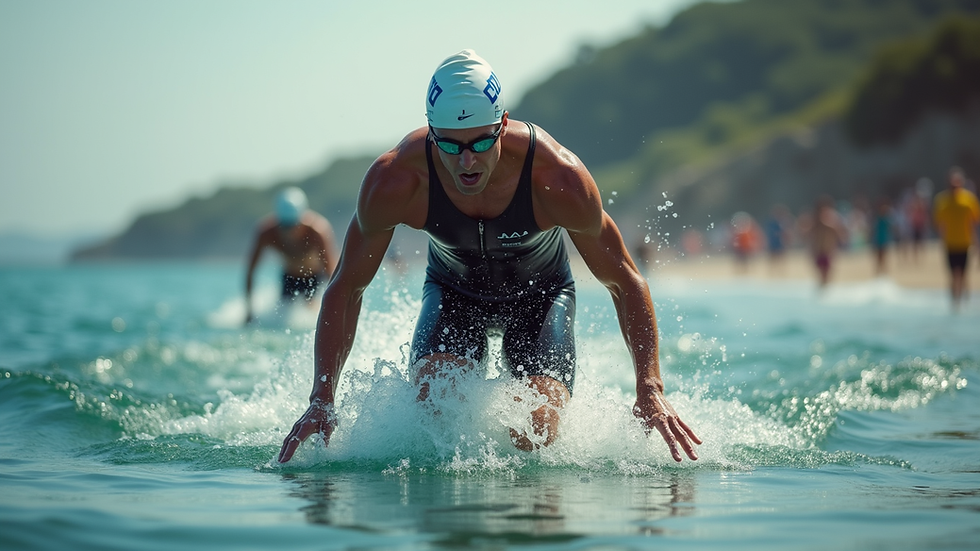
A triathlon consists of three disciplines: swimming, cycling, and running. Each segment requires specific training techniques and strategies. Understanding the nuances of each discipline is essential for effective training.
The Swim
The swim is often the most daunting segment for many athletes. Here are some tips to enhance your swimming performance:
Technique Over Speed: Focus on improving your stroke technique rather than just speed. This will help you conserve energy for the cycling and running segments.
Open Water Practice: If your race includes open water swimming, practice in similar conditions. This helps you acclimate to the environment and reduces anxiety on race day.
Interval Training: Incorporate interval training into your swim workouts. For example, swim 100 meters at a fast pace, followed by 50 meters at a slower pace. This builds endurance and speed.
The Bike
Cycling is where many athletes can gain significant time. Here’s how to optimize your cycling training:
Strength Training: Include strength training exercises that target your legs and core. Squats, lunges, and deadlifts can improve your cycling power.
Long Rides: Schedule long rides to build endurance. Aim for at least one long ride per week, gradually increasing the distance.
Brick Workouts: Incorporate brick workouts, which involve cycling followed immediately by running. This helps your body adapt to the transition between disciplines.
The Run
Running is often the final test of endurance in a triathlon. Here are strategies to enhance your running performance:
Speed Work: Include speed workouts, such as tempo runs and intervals, to improve your pace. For example, run 400 meters at a fast pace, followed by a 200-meter recovery jog.
Transition Practice: Practice transitioning from cycling to running. This will help you get used to the feeling of running after cycling, which can be challenging.
Nutrition and Hydration: Pay attention to your nutrition and hydration during your runs. Experiment with different gels and drinks to find what works best for you.
Creating a Balanced Training Plan
A well-structured training plan is essential for triathlon success. Here’s how to create a balanced regimen:
Weekly Training Schedule
Monday: Swim (Technique focus) + Strength training
Tuesday: Bike (Interval training)
Wednesday: Run (Speed work)
Thursday: Swim (Endurance focus)
Friday: Rest or light cross-training (yoga, stretching)
Saturday: Long bike ride
Sunday: Long run
Periodization
Periodization involves dividing your training into phases to maximize performance. Consider the following phases:
Base Phase: Focus on building endurance and strength. This phase lasts several weeks and includes longer workouts at a lower intensity.
Build Phase: Increase intensity and incorporate race-specific training. This phase includes more speed work and brick workouts.
Peak Phase: Taper your training leading up to the race. Reduce volume while maintaining intensity to ensure you are well-rested.
Nutrition for Triathletes
Nutrition plays a vital role in your training and performance. Here are some key points to consider:
Balanced Diet: Ensure your diet includes a balance of carbohydrates, proteins, and fats. Carbohydrates are essential for energy, while proteins aid in recovery.
Pre-Race Nutrition: Experiment with your pre-race meal to find what works best for you. A common choice is a meal rich in carbohydrates and low in fat and fiber.
Hydration: Stay hydrated throughout your training. Monitor your fluid intake and consider electrolyte drinks during long workouts.
Mental Preparation
Mental toughness is just as important as physical training. Here are strategies to enhance your mental game:
Visualization: Practice visualization techniques. Imagine yourself successfully completing each segment of the triathlon.
Positive Self-Talk: Use positive affirmations to boost your confidence. Remind yourself of your training and preparation.
Race Day Strategy: Develop a race day strategy, including pacing and nutrition plans. Knowing what to expect can reduce anxiety.
Recovery and Injury Prevention
Recovery is crucial for long-term success. Here are some tips to ensure you recover effectively:
Rest Days: Incorporate rest days into your training plan. This allows your body to recover and rebuild.
Active Recovery: Engage in light activities, such as walking or swimming, on rest days to promote blood flow and recovery.
Injury Prevention: Pay attention to any signs of injury. Incorporate stretching and foam rolling into your routine to maintain flexibility and reduce muscle tightness.
Conclusion
Optimizing your triathlon training regimen involves a comprehensive approach that includes physical training, nutrition, mental preparation, and recovery. By focusing on each discipline and creating a balanced training plan, you can enhance your performance and achieve your goals. Remember, consistency is key. Stay committed to your training, listen to your body, and enjoy the journey toward race day.
Now that you have the tools to optimize your training, it’s time to put them into action. Start planning your training schedule today and take the first step toward your next triathlon!

Comments