Essential Nutrition Guides for Triathletes' Performance

Triathletes face unique challenges when it comes to nutrition. Balancing the demands of swimming, cycling, and running requires a strategic approach to fueling the body. Proper nutrition not only enhances performance but also aids in recovery and overall health. In this guide, we will explore essential nutrition strategies tailored specifically for triathletes, ensuring you have the knowledge to optimize your training and race day performance.
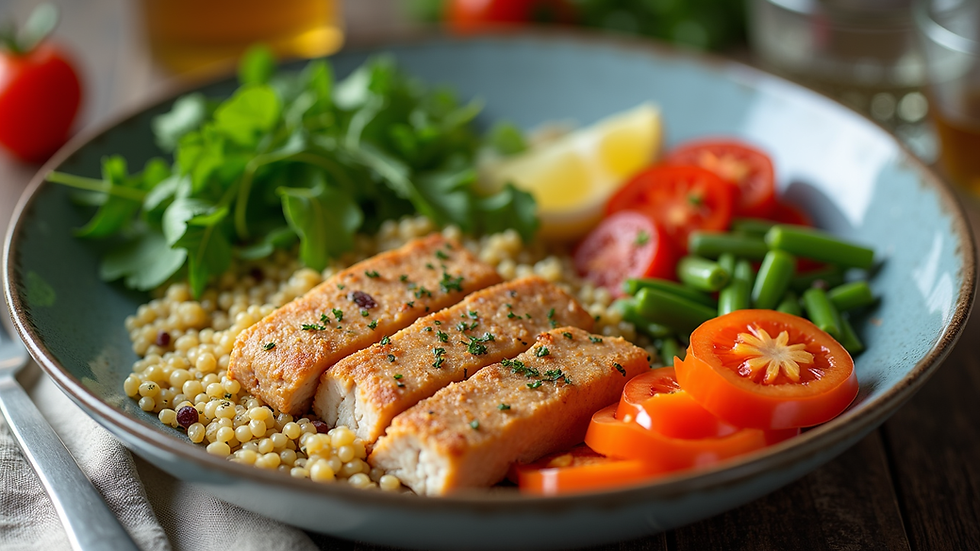
Understanding Triathlon Nutrition
The Importance of Nutrition
Nutrition plays a critical role in a triathlete's performance. The right balance of macronutrients—carbohydrates, proteins, and fats—can significantly impact endurance, strength, and recovery. Here’s why nutrition is essential:
Energy Supply: Carbohydrates are the primary energy source during endurance activities. They fuel your muscles and help maintain performance levels.
Muscle Repair: Proteins are vital for muscle recovery and repair, especially after intense training sessions.
Fat Utilization: Healthy fats provide a long-lasting energy source, particularly during longer races.
Macronutrient Breakdown
Understanding how to balance macronutrients is crucial for triathletes. Here’s a general guideline:
Carbohydrates: 55-65% of total daily calories
Proteins: 15-20% of total daily calories
Fats: 20-30% of total daily calories
These percentages can vary based on individual needs, training intensity, and race distance.
Pre-Race Nutrition
Carbohydrate Loading
In the days leading up to a race, carbohydrate loading can help maximize glycogen stores. This process involves increasing carbohydrate intake while tapering training. Here’s how to do it effectively:
Increase Carbs: Aim for 8-10 grams of carbohydrates per kilogram of body weight.
Taper Training: Reduce training volume to allow your body to store more glycogen.
Hydrate: Ensure you are well-hydrated, as glycogen storage requires water.
Pre-Race Meals
The meal before a race should be rich in carbohydrates and low in fat and fiber to avoid gastrointestinal distress. Consider these options:
Oatmeal with banana and honey
Pasta with a light tomato sauce
Rice with lean protein and steamed vegetables
Timing Your Meals
Aim to eat your pre-race meal 3-4 hours before the event. This timing allows for digestion and energy availability during the race.
Race Day Nutrition
Hydration Strategies
Staying hydrated is crucial during a triathlon. Dehydration can lead to decreased performance and increased risk of injury. Here are some hydration tips:
Drink Early and Often: Start hydrating well before the race begins.
Electrolyte Balance: Use electrolyte drinks to replenish lost salts during the race.
Monitor Urine Color: Light yellow indicates proper hydration, while dark yellow suggests dehydration.
On-the-Course Nutrition
During the race, it’s essential to maintain energy levels. Here’s how to fuel effectively:
Carbohydrate Sources: Use energy gels, chews, or sports drinks that provide quick-digesting carbohydrates.
Timing: Aim to consume 30-60 grams of carbohydrates per hour, starting early in the race.
Practice in Training: Test different nutrition strategies during training to find what works best for you.
Post-Race Recovery
Refueling After the Race
Recovery nutrition is just as important as pre-race and race-day nutrition. Focus on replenishing glycogen stores and repairing muscles. Here’s what to do:
Consume Carbs and Protein: Aim for a 3:1 ratio of carbohydrates to protein within 30 minutes post-race.
Hydrate: Continue to drink fluids to replace lost fluids and electrolytes.
Recovery Meals: Consider options like a smoothie with fruit and protein powder or a turkey sandwich on whole-grain bread.
Importance of Rest
Rest is a crucial component of recovery. Allow your body time to heal and adapt after the race. Incorporate light activities like walking or gentle stretching to aid recovery.
Nutrition for Training
Daily Nutrition Strategies
Incorporating good nutrition into your daily routine is vital for consistent training. Here are some strategies:
Meal Prep: Prepare meals in advance to ensure you have healthy options readily available.
Balanced Meals: Include a source of protein, healthy fats, and carbohydrates in every meal.
Snacking Wisely: Choose snacks that provide energy and nutrients, such as nuts, yogurt, or fruit.
Supplements
While whole foods should be the primary source of nutrition, some supplements can support a triathlete's diet:
Protein Powder: Useful for post-workout recovery.
Electrolyte Tablets: Help maintain hydration during long training sessions.
Omega-3 Fatty Acids: Support heart health and reduce inflammation.
Special Considerations
Vegetarian and Vegan Nutrition
Triathletes following vegetarian or vegan diets can still meet their nutritional needs. Here are some tips:
Focus on Protein Sources: Incorporate legumes, tofu, tempeh, and quinoa to ensure adequate protein intake.
Vitamin B12 and Iron: Consider fortified foods or supplements, as these nutrients can be harder to obtain from plant-based diets.
Diverse Diet: Eat a variety of fruits, vegetables, grains, and nuts to cover all nutritional bases.
Food Allergies and Intolerances
If you have food allergies or intolerances, it’s essential to find suitable alternatives that provide the necessary nutrients. Work with a nutritionist to develop a personalized nutrition plan that meets your needs.
Conclusion
Nutrition is a cornerstone of triathlon performance. By understanding the importance of macronutrients, timing your meals, and focusing on recovery, you can enhance your training and race day performance. Remember, every athlete is unique, so it’s crucial to experiment and find what works best for you. Prioritize your nutrition, and you’ll see the benefits in your performance on race day.
Take the next step in your triathlon journey by evaluating your current nutrition plan and making adjustments as needed. Your body will thank you!
Comments